Designing movement into public space.


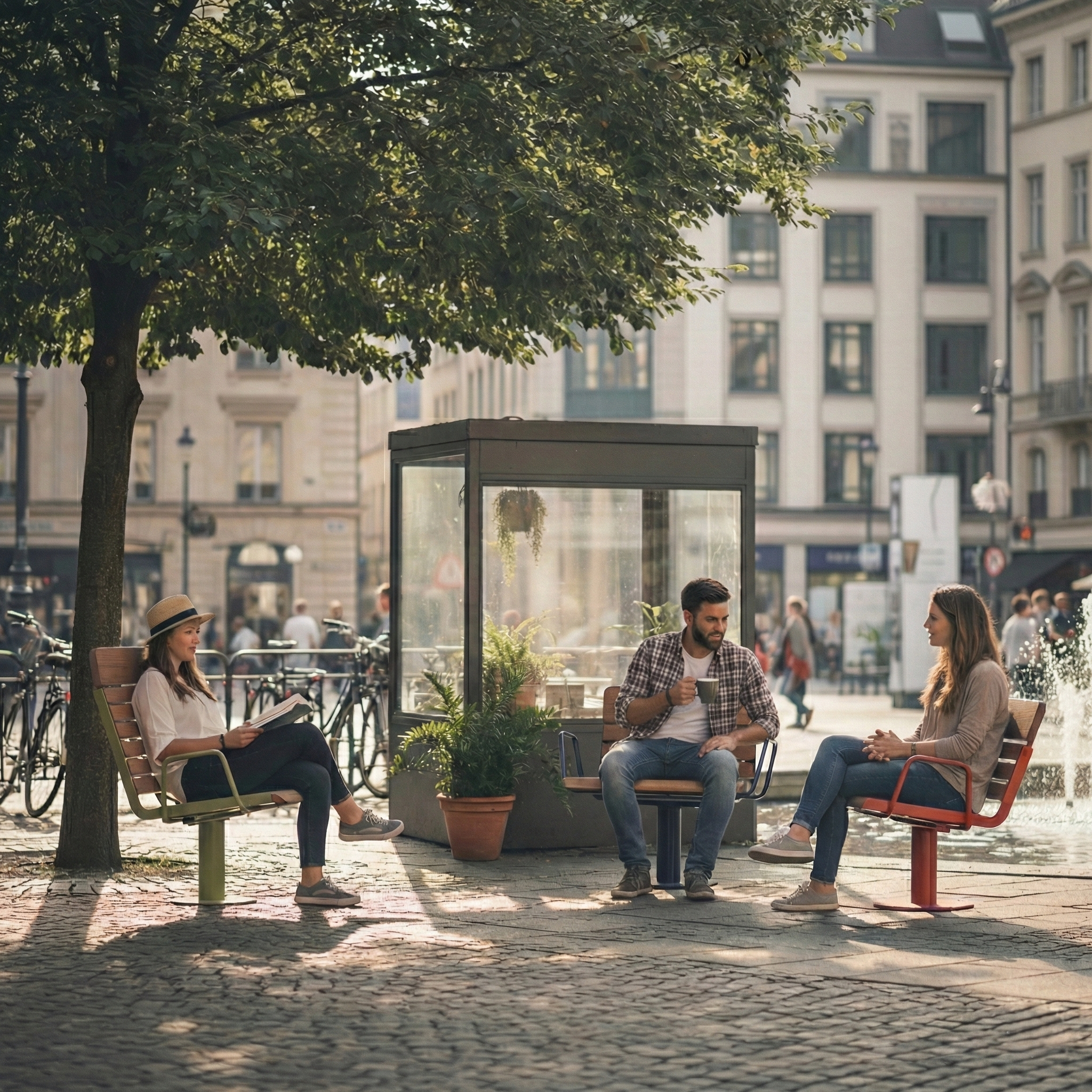
Adaptive seating is a simple shift that makes public spaces feel more personal, more responsive, and more human. The new Hula swivel family offers social flexibility, allowing citizens to easily turn towards a friend for conversation, turn away from noise, or simply stay in place. Ultimately, this kind of micro-comfort encourages longer dwell times, inviting people to stay, return, and engage with their environment.

Hula changes how public spaces feel: more personal, more responsive, more human.
Why rotation matters?


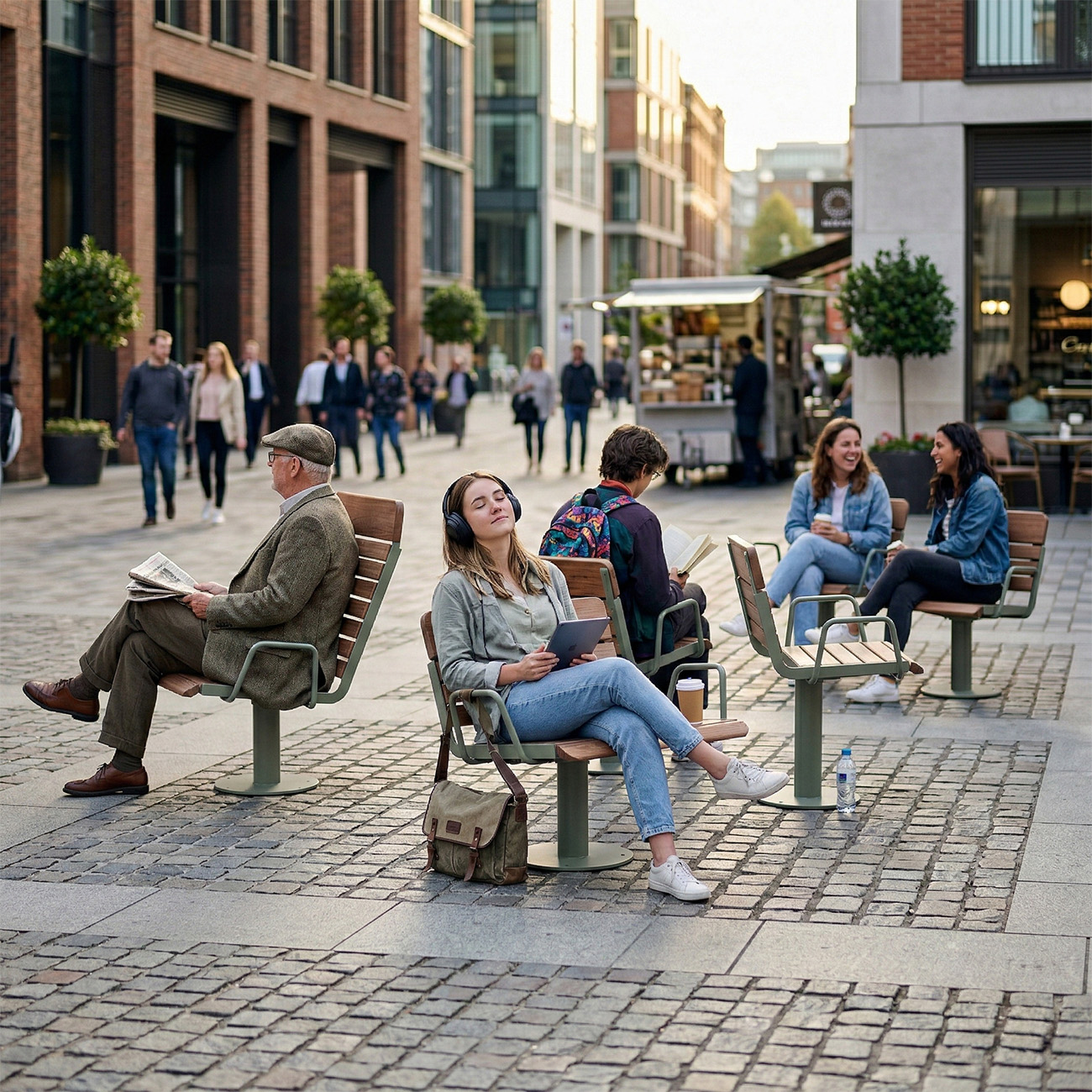
Sun-aware comfort
Let users follow the light throughout the day without rearranging furniture.

Micro-comfort without friction
Adjust position instantly – shade, wind, view, privacy.

Social flexibility
Turn towards a friend. Turn away from noise. Stay in place.

Longer dwell time
Adaptive seating encourages people to stay, return, and engage.

A more responsive city
As cities evolve, public furniture should evolve too

How to do
"Hula allows people to tune their position - towards the sun, away from the wind, into conversation or into their own moment.” - Pent Talvet, designer.

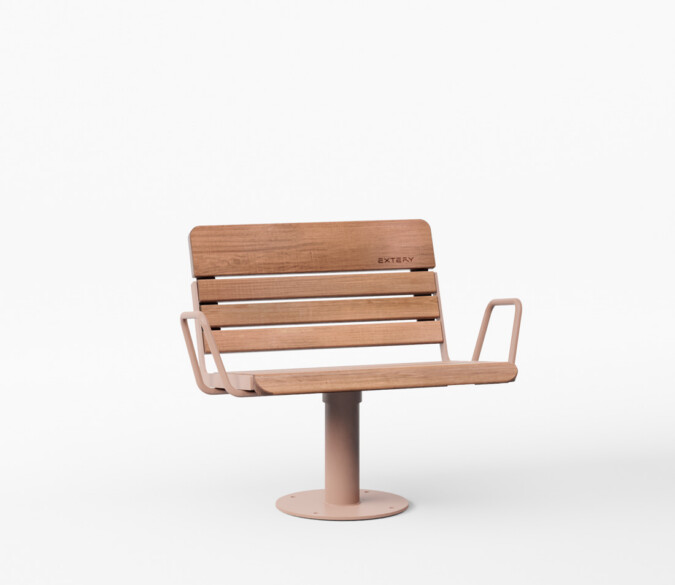
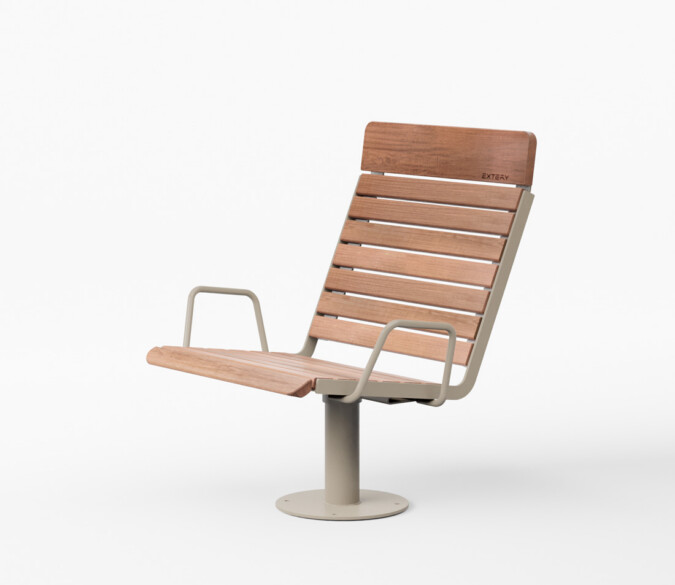
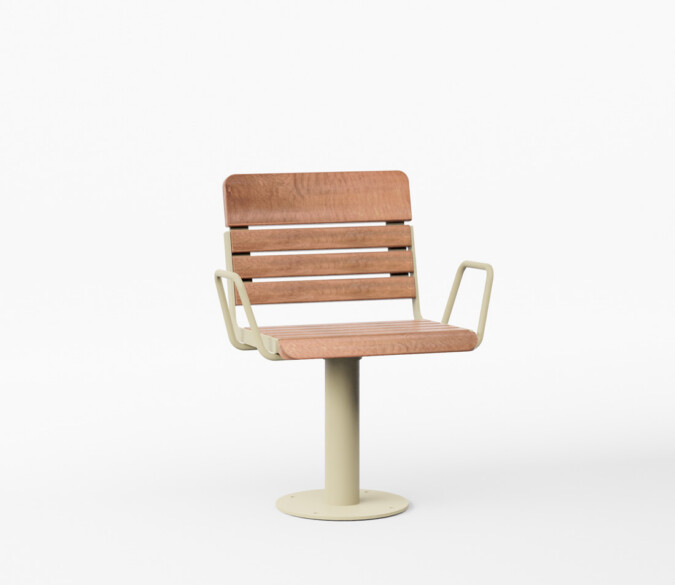
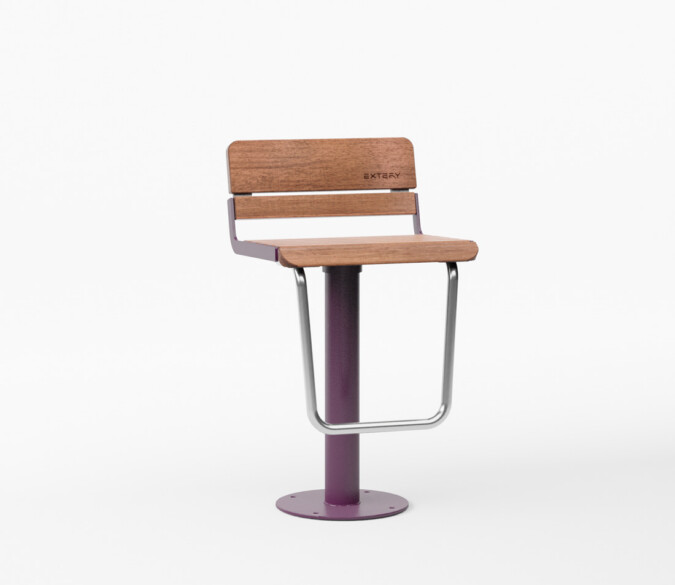
Hula is a family of four different chair styles

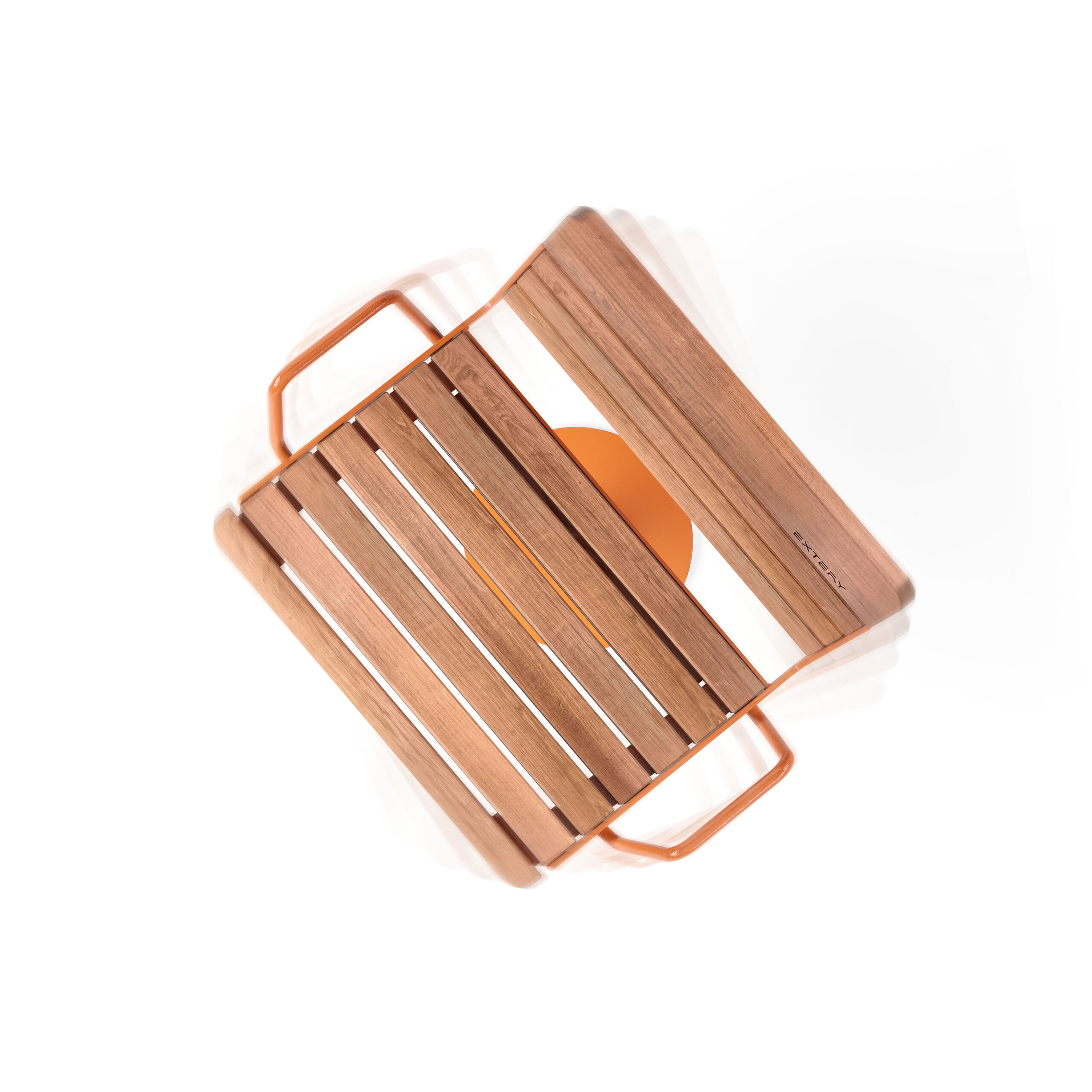
Hula is not just a single chair, but a family of four distinct products. The rotating seats are available in three heights: a comfortable low lounge chair with either a low or high backrest, a dining-chair height suitable for use at tables, and a bar chair designed for high counters – each with its own character and way of use.

Download the product specifications here:

Is movement relevant for your project?

Download the 3D models and test how swivel seating could work in your layout.

Register and download the 3D dwg toolkit:

A chair that moves with you.


Hula is not just a new chair.

It introduces a new relationship between people and public space.


A subtle but powerful shift:

from fixed seating to responsive seating.


Explore the family

Want to explore our entire collection?

See more